Often overlooked is the decision every marketer makes about how they will treat the issue of power (asymmetrical or not) in their marketing.
Consider insurance. Companies like Allstate don't market themselves as the dominant force in the relationship. They don't say, "you give us money every month for a very long time, and one day, if we think it's a good idea, we'll give you some money back." Instead, they say, "you're in good hands." Insurance is here to take care of you.
That's pretty different from the power dynamic we see implicit in the marketing of Harley Davidson motorcycles. Buying one makes you James Dean. They give you power over others. Luxury brands promise a similar result in certain social situations.
Horror movies don't promise an equitable experience. You sit there, they scare you.
There's some part of our culture that wants to be told what to do by a powerful autocrat.
Microsoft made a lot of enemies (and friends) when they had monopoly power. The message to users and even to partners was, "We're in charge and you have no choice... here's what's next." A large portion of the market responds well to that message. It takes the pressure off decision making and eases responsibility (it can't be your fault if you had no options). Apple is starting to adopt that power mantra with their approach to upgrades and new models.
The new Microsoft, of course, puts the user's power first. Different strategy for a different audience.
Every brand gets to make this choice, pick one of three:
- We have the power over you
- You have the power over your choices and your competitors
- Our products and services give everyone power
Famous colleges market with straight-up power. We have the power to choose you, to grade you, to give you a magic diploma. And in response, millions of kids send in their applications. In fact, they often avoid the alternative (less famous) schools that instead of power, ask, "how can we help you?"
Many businesses prefer to buy things when they have no choice. They not only respect the power of the big auditing firms or the race to serve a search engine or a social network, they actually seek it out. It focuses the attention of the bureaucracy and offers the promise of rapid forward motion with little responsibility on the part of the client.
A lot of freelancers, on the other hand, have been beaten down so often that they can't imagine projecting power, instead only offering to serve those that do.
Danny Meyer has built a restaurant empire around the idea that customers ought to be powerful. Instead of bullying his patrons, he trains his people to serve. No velvet rope, just a smile.
Each of us gets to choose what sort of marketing we respond to. Those that use bully tactics to gain power over us only get away with it because it works (on some people, some of the time). And often, when power is put into our hands (sometimes known as freedom... the freedom to create, to speak up, to lead, to challenge), we blink and walk away.
Some people persist in thinking that marketing is about ads or low prices. It's not. It's about human nature and promises and who we see when we look in the mirror.
When you see confusion, look for fear, and look for the dynamics of power.

from Seth Godin's Blog on marketing, tribes and respect http://feeds.feedblitz.com/~/450465716/0/sethsblog~Marketing-about-power-and-with-power.html
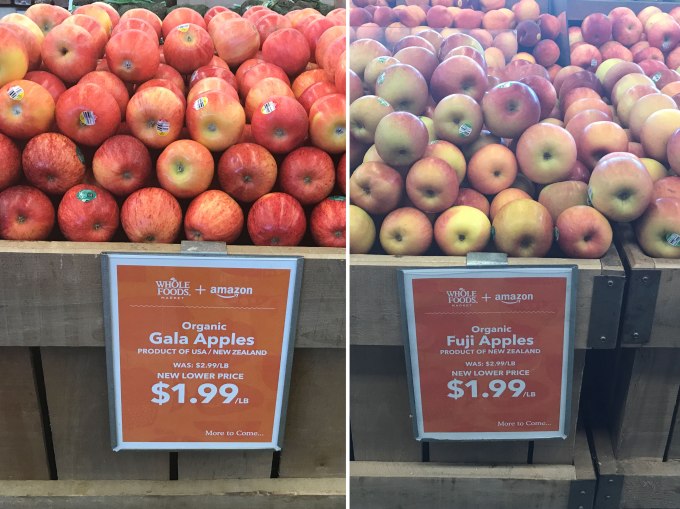 Amazon’s $13.7 billion acquisition of Whole Foods closed today, and the grocer is already rolling out discounts on select food items as result. While Amazon last week shared a list of products expected to be discounted on Monday, a trip to local Whole Foods stores indicate that the price cuts are already broader than announced. For example, prices on some grocery staples – like… Read More

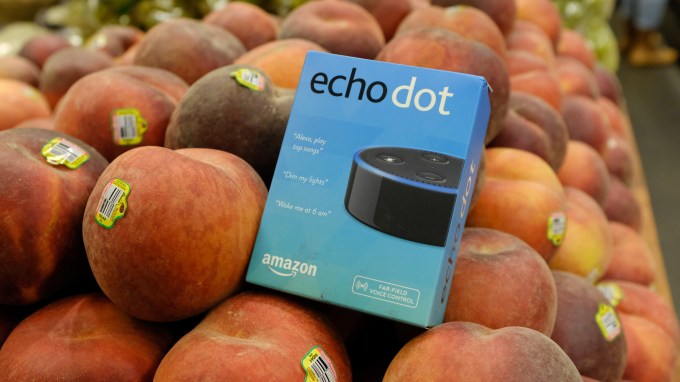 One thing can certainly be said for Amazon: the company moves fast. The retail giant’s $13.7 billion Whole Foods acquisition only officially went through today, and it’s already moved in to mark its territory. Amazon Echo displays have begun popping up in strategic locations in Whole Foods across the country, sporting tongue in cheek signs that market the ‘farm…
 It looks like Sonos is nearing the release of a speaker that has a built-in voice control assistant. According to an FCC filing found by Dave Zatz, the company is seeking to get approval from the US government to sell a speaker that sports “integrated voice control functionality with far field microphones” and “multiple voice platforms.” It’s impossible to say…


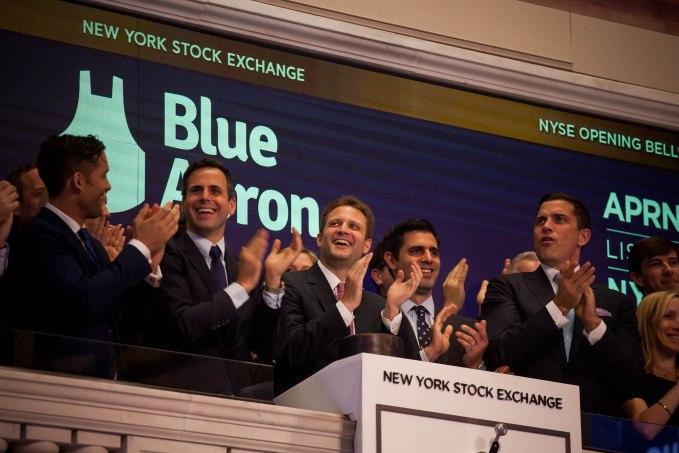 Last week, Amazon said that its massive $13.7 billion deal to acquire Whole Foods is wrapping up on Monday — giving it access to one of the strongest food brands in the United States, as well as hundreds of grocery stores in metropolitan areas. That means it’s going to be easier and easier for people to get access to great ingredients, and there’s been a continued trickle…

