Showing posts with label Amazon – TechCrunch Lucas Matney. Show all posts

Tuesday, November 10, 2020

Josh.ai launches a ‘nearly invisible’ Amazon Echo competitor that’s the size of a coin

In the past several weeks we’ve seen refreshes and product expansions from about every facet of the smart home virtual assistant world. Apple launched the HomePod Mini, Google offered a long-overdue refresh of the Google Home, and Amazon found even more speaker shapes to shove Alexa into.

Today, we’re getting an addition from a startup competitor. Josh.ai has aimed to build out a niche in the space by building a smart assistant product that’s designed to be professionally installed alongside other smart home wares and they announced a new product this afternoon.

The device, Josh Nano, fully buys into a more luxury home-focused niche with a low-profile device that appears to be a little bit bigger than a half-dollar, though the bulk of the device is embedded into the wall itself and wired back to a central unit via power-over-ethernet. The device bundles a set of four microphones eschewing any onboard speaker, instead opting to integrate directly with a user’s at-home sound system. Josh boasts compatibility with most major AV receiver manufacturers in addition to partnerships with companies like Sonos. There isn’t much else to the device, a light for visual feedback, a multi-purpose touch sensor, and a physical switch to cut power to the onboard microphones in case users want extra peace of mind.

Image via Josh.ai

The aim of the new hardware is to hide the smart features of a home and move away from industry standard touch screen hubs with dated interfaces. By stripping down a smart home product to its essential feature, Josh.ai hopes it can push more users to buy in more fully with confidence that subsequent hardware releases won’t render their devices outdated and ugly. The startup is taking pre-orders for the device (available in black and white color options) now and hopes to start shipping early next year.

Powering these devices is a product the company calls Josh Core, a small server which basically acts as a hub for everything Josh talks to in a user’s home, ensuring that interactions between smart home devices can occur locally, minimizing external requests. The startup will also continue selling its previously released Josh Micro which integrates a dedicated speaker into the wall-mounted hardware.

Though Josh.ai partners directly with professional installers on the hardware, the startup has been scaling as a software business, offering consumers a license to their technology on an annual, 5-year or lifetime basis. The price of that license also differs depending on what size home they are working with, with “small” rollouts being classified as homes with fewer than 15 rooms. In terms of hardware costs, Josh.ai says that pricing varies but for most jobs, the average cost for users works out to be something like $500 per room.

Massive tech companies naturally design their products for massive audiences. For startups like Josh.ai this fact provides an in-road to design products that aren’t built for the common needs of a billion users. In fact, the selling point for plenty of their customers comes largely from the fact that they aren’t buying devices from Google, Amazon or Apple and hard-wiring microphones that feed back to them inside their home.

Though 95% of the startup’s business today focuses on residential, going forward, the company is also interested in scaling how their tech can be used in commercial scenarios like conference rooms or even elevators, the startup tells me.


from Amazon – TechCrunch https://techcrunch.com/2020/11/10/josh-ai-launches-a-nearly-invisible-amazon-echo-competitor-thats-the-size-of-a-coin/

Thursday, October 22, 2020

4 quick bites and obituaries on Quibi (RIP 2020-2020)

In memory of the death of Quibi, here’s a quick sendoff from four of our writers who came together to discuss what we can learn from Quibi’s amazing, instantaneous, billions-of-dollars failure.

Lucas Matney looks at what the potential was for Quibi and how it missed the mark in media. Danny Crichton discusses why billions of dollars in VC funding isn’t enough in competitive markets like video. Anthony Ha discusses the crazy context of Quibi and our interview with the company earlier this year. And Brian Heater looks at why constraints are not benefits in new products.

Lucas Matney: A deadpool company before it was even launched

There will be dozens of post-mortems on Quibi, but the fact is there were dozens of post-mortems written about Quibi before it even launched. The whole idea was, to be kind, audacious, though it was also clear to most people that weren’t personal friends with founder Jeffrey Katzenberg that it was doomed from the start.

Quibi’s death is an important moment for streaming, largely because it’s a pretty strong rebuke of services trying to one-up the Netflix model by solely focusing on high-dollar original content. I think Quibi made several mistakes, but its most pertinent ones can be tied to a lack of flexibility in vision.

The startup insisted that all of its titles were mobile-only, high-production value and relying on Hollywood star power when they probably could have succeeded by keeping a closer eye on what kind of quick-bite content was succeeding elsewhere. Snap has seen success with Discover after years of attempts, and there is space for a dedicated player here, but Katzenberg tried to level-up by throwing checks at his friends and not doing the hard work of scouting out rising trendsetters in the creator world.

There are other lessons here that apply to other streaming new-comers like Apple. Namely that creating a hit TV show is hard and buying a hit TV series is easier if you already have the money. Quibi and Apple TV+ both launched with plenty of new series and no back libraries of beloved legacy content for users to spend time digging into. There’s just so much good stuff out there already. Apple has shifted strategy here, but Quibi boxed itself in and probably couldn’t afford to play here once its error was made clear.

Quibi showcases how the streaming wars’ upending of Hollywood has probably eclipsed reason at this point. Players like Apple don’t belong here, and there’s just too much money pouring into original content that loosely fits the Hollywood mold.

Netflix stock is down 7% today after earnings yesterday showcased slowing growth. With HBO Max, Disney+, Peacock and Apple TV+ all launching in the last 12 months, the streaming market’s cup runneth over. And while I don’t think a Quibi death spells the end for innovation here, I think that the market is ready for some 2021 consolidation.


from Amazon – TechCrunch https://techcrunch.com/2020/10/21/quibi-rip/

Thursday, September 24, 2020

Amazon announces Luna game-streaming platform

At its Devices and Services event, Amazon launched its own cloud gaming competitor to Google Stadia and Microsoft xCloud. It’s called Luna.

The company is launching the product in early access at an introductory price of $5.99 per month. Users will be able to stream titles wirelessly without downloading the games and can play across PC, Mac and iOS (via the web). Users in the United States can request early access starting today.

Amazon says they will be launching with more than 50 games in the Luna+ app, including at least one Sonic title and Remedy Entertainment’s Control. The company has also partnered with Ubisoft but it seems users will have to subscribe separately to get access to those titles. The whole service is powered by AWS. Amazon says that users will be able to play titles at up to 4K 60fps performance.

One of the big selling points for the platform will be its Twitch integration, which will theoretically allow gamers to dive right into the titles they just saw their favorite streamers playing. This will depend heavily on coaxing streamers to play the limited subsection of titles that are present on Luna, however. Google made much the same pitch with Stadia and YouTube Gaming, but that dream hasn’t been fully realized yet.

Much like Google Stadia, Amazon will also be selling a custom controller that connects directly to the service to reduce latency. The Alexa-enabled Luna Controller will go for $49.99 during the early access period.

With this entrance, now Google, Microsoft and Amazon are each competing to define a new gaming platform. It’s apparent that Microsoft has a huge advantage given its existing relationships with developers and its own network of Microsoft-owned studios, but we’ll see what Amazon can cook up during the platform’s early access period.


from Amazon – TechCrunch https://techcrunch.com/2020/09/24/amazon-announces-luna-game-streaming-platform/

Friday, February 28, 2020

Amazon is the latest to ditch GDC this year

GDC’s top sponsors continue to pull out of attending the San Francisco gaming conference. Today, Amazon announced it would no longer be sending employees to the event.

In an update, the team shared that they would instead be hosting a “global online event” to share news that they had been planning to detail at the conference.

Amazon Game Tech is a “diamond partner” at the Game Developers Conference this year, a designation that signifies sponsors “who play an integral role in the success of GDC,” the conference says on its website. At this point, the only diamond partners who have not officially withdrawn are Intel, Nvidia and Google.

Facebook, Sony, Microsoft, Unity and Epic Games have all pulled out of the conference over concerns surrounding the COVID-19 outbreak. Now, Amazon joins them.

TechCrunch has reached out to the other remaining sponsors at the event.


from Amazon – TechCrunch https://techcrunch.com/2020/02/28/amazon-is-the-latest-to-ditch-gdc-this-year/

Sunday, August 18, 2019

Week in Review: Snapchat beats a dead horse

Hey. This is Week-in-Review, where I give a heavy amount of analysis and/or rambling thoughts on one story while scouring the rest of the hundreds of stories that emerged on TechCrunch this week to surface my favorites for your reading pleasure.

Last week, I talked about how Netflix might have some rough times ahead as Disney barrels towards it.


3d video spectacles 3

The big story

There is plenty to be said about the potential of smart glasses. I write about them at length for TechCrunch and I’ve talked to a lot of founders doing cool stuff. That being said, I don’t have any idea what Snap is doing with the introduction of a third-generation of its Spectacles video sunglasses.

The first-gen were a marketing smash hit, their sales proved to be a major failure for the company which bet big and seemingly walked away with a landfill’s worth of the glasses.

Snap’s latest version of Spectacles were announced in Vogue this week, they are much more expensive at $380 and their main feature is that they have two cameras which capture images in light depth which can lead to these cute little 3D boomerangs. One one hand, it’s nice to see the company showing perseverance with a tough market, on the other it’s kind of funny to see them push the same rock up the hill again.

Snap is having an awesome 2019 after a laughably bad 2018, the stock has recovered from record lows and is trading in its IPO price wheelhouse. It seems like they’re ripe for something new and exciting, not beautiful yet iterative.

The $150 Spectacles 2 are still for sale, though they seem quite a bit dated-looking at this point. Spectacles 3 seem to be geared entirely towards women, and I’m sure they made that call after seeing the active users of previous generations, but given the write-down they took on the first-generation, something tells me that Snap’s continued experimentation here is borne out of some stubbornness form Spiegel and the higher-ups who want the Snap brand to live in a high fashion world and want to be at the forefront of an AR industry that seems to have already moved onto different things.

Send me feedback
on Twitter @lucasmtny or email
lucas@techcrunch.com

On to the rest of the week’s news.

tumblr phone sold

Trends of the week

Here are a few big news items from big companies, with green links to all the sweet, sweet added context:

  • WordPress buys Tumblr for chump change
    Tumblr, a game-changing blogging network that shifted online habits and exited for $1.1 billion just changed hands after Verizon (which owns TechCrunch) unloaded the property for a reported $3 million. Read more about this nightmarish deal here.
  • Trump gives American hardware a holiday season pass on tariffs 
    The ongoing trade war with China generally seems to be rough news for American companies deeply intertwined with the manufacturing centers there, but Trump is giving U.S. companies a Christmas reprieve from the tariffs, allowing certain types of hardware to be exempt from the recent rate increases through December. Read more here.
  • Facebook loses one last acquisition co-founder
    This week, the final remnant of Facebook’s major acquisitions left the company. Oculus co-founder Nate Mitchell announced he was leaving. Now, Instagram, WhatsApp and Oculus are all helmed by Facebook leadership and not a single co-founder from the three companies remains onboard. Read more here.

GAFA Gaffes

How did the top tech companies screw up this week? This clearly needs its own section, in order of badness:

  1. Facebook’s turn in audio transcription debacle:
    [Facebook transcribed users’ audio messages without permission]
  2. Google’s hate speech detection algorithms get critiqued:
    [Racial bias observed in hate speech detection algorithm from Google]
  3. Amazon has a little email mishap:
    [Amazon customers say they received emails for other people’s orders]

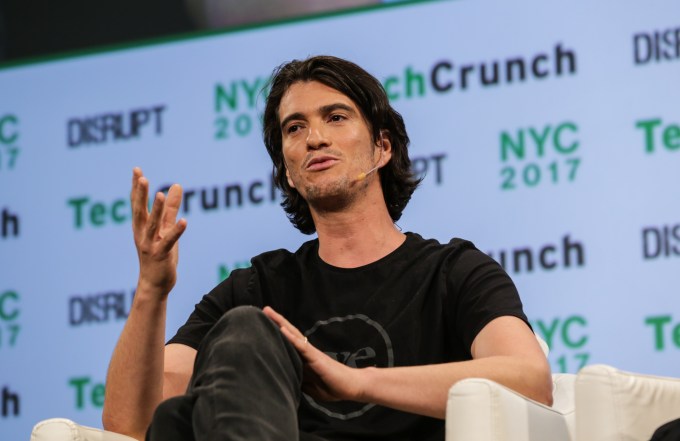
Adam Neumann (WeWork) at TechCrunch Disrupt NY 2017

Extra Crunch

Our premium subscription service had another week of interesting deep dives. My colleague Danny Crichton wrote about the “tech” conundrum that is WeWork and the questions that are still unanswered after the company filed documents this week to go public.

WeWork’s S-1 misses these three key points

…How is margin changing at its older locations? How is margin changing as it opens up in places like India, with very different costs and revenues? How do those margins change over time as a property matures? WeWork spills serious amounts of ink saying that these numbers do get better … without seemingly being willing to actually offer up the numbers themselves…

Here are some of our other top reads this week for premium subscribers. This week, we published a major deep dive into the world’s next music unicorn and we dug deep into marketplace startups.

Sign up for more newsletters in your inbox (including this one) here.


from Amazon – TechCrunch https://techcrunch.com/2019/08/18/week-in-review-snapchat-beats-a-dead-horse-and-tumblr/

Sunday, August 11, 2019

Week in Review: Netflix’s big problem and Apple’s thinnest product yet

Hey. This is Week-in-Review, where I give a heavy amount of analysis and/or rambling thoughts on one story while scouring the rest of the hundreds of stories that emerged on TechCrunch this week to surface my favorites for your reading pleasure.

Last week, I talked about the Capital One breach and how Equifax taught us that irresponsible actions only affect companies in the PR department.


Thomas Trutschel/Photothek via Getty Images

The big story

Disney is going to eat Netflix’s lunch.

The content giant announced this week that when Disney+ launches, it will be shipping a $12.99 bundle that brings its Disney+ streaming service, ESPN+ and ad-supported Hulu together into a single-pay package. That price brings those three services together for the same cost as Netflix and is $5 cheaper that what you would spend on each of the services individually.

This announcement from Disney comes after Netflix stuttered in its most recent earnings, missing big on its subscriber add while actually losing subscribers in the U.S.

Netflix isn’t the aggregator it once was; its library is consistently shifting, with original series taking the dominant position. As much as Netflix is spending on content, there’s simply no way that it can operate on the same plane as Disney, which has been making massive content buys and is circling around to snap up the market by acquiring its way into consumers’ homes.

Disney has slowly amassed control of Hulu through buying out various stakeholders, but now that it shifts the platform’s weight, it’s pretty clear that it will use it as a selling point for its time-honed in-house content, which it is still expanding.

The streaming wars have been raging for years, but as the services seem to become more like what they’ve replaced, Disney seems poised to take control.

Send me feedback
on Twitter @lucasmtny or email
lucas@techcrunch.com

On to the rest of the week’s news.

Screen Shot 2019 03 25 at 1.37.32 PM 1

Trends of the week

Here are a few big news items from big companies, with green links to all the sweet, sweet added context:

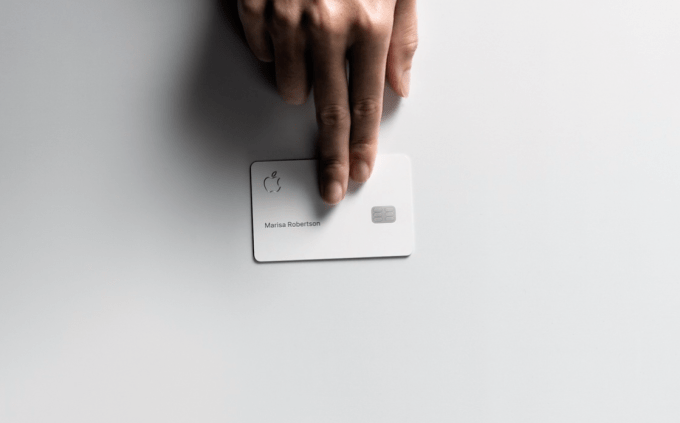
  • Apple Card rolls out
    Months after its public debut, Apple has begun rolling out its Apple Card credit card. We got our hands on the new Apple Card app, so check out more about what it’s like here.
  • Amid a struggling smartphone market, Samsung introduces new flagships
    The smartphone market is in a low-key free fall, but there’s not much for hardware makers to do than keep innovating. Samsung announced the release of two new phones for its Note series, with new features including a time-of-flight 3D scanning camera, a larger size and… no headphone jack. Read more here.
  • FedEx ties up ground contract with Amazon
    As Amazon rapidly attempts to build out its own air fleet to compete with FedEx’s planes, FedEx confirmed this week that it’s ending its ground-delivery contract with Amazon. Read more here.

GAFA Gaffes

How did the top tech companies screw up this week? This clearly needs its own section, in order of badness:

  1. Facebook could get fined billions more:
    [Facebook could face billions in potential damages as court rules facial recognition lawsuit can proceed]
  2. Instagram gets its own Cambridge Analytica:
    [Instagram ad partner secretly sucked up and tracked millions of users’ locations and stories]

Extra Crunch

Our premium subscription service had another week of interesting deep dives. My colleague Sarah Buhr had a few great conversations with VCs in the healthtech space and distilled some of their investment theses into a report.

What leading HealthTech VCs are investing in 

Why is tech still aiming for the healthcare industry? It seems full of endless regulatory hurdles or stories of misguided founders with no knowledge of the space, running headlong into it, only to fall on their faces…

It’s easy to shake our fists at fool-hardy founders hoping to cash in on an industry that cannot rely on the old motto “move fast and break things.” But it doesn’t have to be the code tech lives or dies by.

So which startups have the mojo to keep at it and rise to the top? Venture capitalists often get to see a lot before deciding to invest. So we asked a few of our favorite health VC’s to share their insights.

Here are some of our other top reads this week for premium subscribers. This week, we talked about how to raise funding in August, a month not typically known for ease of access to VCs, and my colleague Ron dove into the MapR fire sale that took place this week:

We’re excited to ramp up The Station, a new TechCrunch newsletter all about mobility. Each week, in addition to curating the biggest transportation news, Kirsten Korosec will provide analysis, original reporting and insider tips. Sign up here to get The Station in your inbox beginning this month.


from Amazon – TechCrunch https://techcrunch.com/2019/08/11/week-in-review-netflixs-big-problem-and-apples-thinnest-product-yet/

Monday, July 15, 2019

Week-in-Review: Google’s never-ending autonomous road trip

Hello, weekend readers. This is Week-in-Review, where I give a heavy amount of analysis and/or rambling thoughts on one story while scouring the rest of the hundreds of stories that emerged on TechCrunch this week to surface my favorites for your reading pleasure.

Last week, I talked about how Alexa wasn’t forgetting what you requested because that data was more valuable than one might think.


Photo by Justin Sullivan/Getty Images

The big story

In thinking about what to highlight in this week’s newsletter, I was tempted to talk about Zoom and Apple and Superhuman and the idea that secure communications can get screwed up when consent is bypassed, and I’m sure that’s something I’ll dig into down the road, but what intrigued me most this week was a single factoid from Google’s self-driving unit.

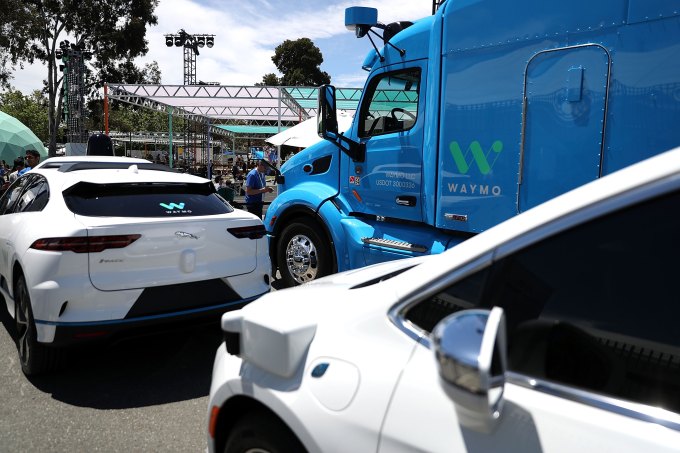
Waymo’s CTO told TechCrunch this week that the company has logged 10 billion miles of autonomous driving in simulation. That means that while you might have seen a physical Waymo vehicle driving past you, the real ground work has been laid in digital spaces that are governed by the laws of game engines.

The idea of simulation-training is hardly new; it’s how we’re building plenty of computer vision-navigated machines right now — hell, plenty of self-driving projects have been built leveraging systems like the traffic patterns in games like Grand Theft Auto. These billions of logged miles are just another type of training data, but they’re also a pretty clear presentation of where self-supervised learning systems could theoretically move, creating the boundaries for a model while letting the system adjust its own rules of operation.

“I think what makes it a good simulator, and what makes it powerful is two things,” Waymo’s CTO Dmitri Dolgov told us. “One [is] fidelity. And by fidelity, I mean, not how good it looks. It’s how well it behaves, and how representative it is of what you will encounter in the real world. And then second is scale.”

Robotics and AV efforts are going to rely more and more on learning the rules of how the laws of the universe operate, but those advances are going to be accompanied by other startups’ desires to build more high visual fidelity understanding of the world

There are plenty of pressures to create copies of Earth. Apple is building more detailed maps with sensor-laden vehicles, AR startups are actively 3D-mapping cities using crowd-sourced data and game engine companies like Unity and Epic Games are building engines that replicate nature’s laws in digital spaces.

This is all to say that we’re racing to recreate our spatial world digitally, but we might just be scratching the surface of the relationship between AI and 3D worlds.

Send me feedback
on Twitter @lucasmtny or email
lucas@techcrunch.com

On to the rest of the week’s news.

(Photo: by Chip Somodevilla/Getty Images)

Trends of the week

Here are a few big news items from big companies, with green links to all the sweet, sweet added context.

  • Trump must unblock his Twitter critics
    Twitter is a consumer product, so politicians using it might feel like it’s their own personal account, but when they use it for political announcements it becomes an official communications channel, and using features like blocking stifles national free speech. So says an NY-based appeals court this week of President Trump’s habit of blocking critics. It’s undoubtedly a ruling that’s going to have far-reaching implications for U.S. political figures that use social media. Read more here.
  • Nintendo switches up the Switch
    The Nintendo Switch arrived on the scene with the bizarre notoriety of being a handheld system that was also a home console, but it’s not enough for the Japanese game company to capture the hybrid market, it’s looking to revisit the success it had back in the peak Nintendo DS days. The company announced the Switch Lite this week, which strips away a number of features for the sake of making a smaller, simpler version of the Nintendo Switch that is handheld-only and sports a longer battery life. Read more here.
  • Google and Amazon bury the home-streaming hatchet
    At long last, one of the stranger passive aggressive fights in the smart home has come to a close. Amazon’s Prime Video is finally available on Google’s Chromecast and YouTube is now on Fire TV after a years-long turf war between the two platforms. Read more here.
  • AT&T maxes out its HBO ambitions
    When AT&T bought HBO, via its Time Warner acquisition, execs made clear that they had acquired a premium product and planned to shift its standing in the market. The company announced this week that it will be launching a new service called HBO Max next year that will bring in new content, including “Friends.” Read more here.

GAFA Gaffes

How did the top tech companies screw up this week? This clearly needs its own section, in order of badness:

  1. Apple nips a security nightmare in the bud:
    [Apple disables Walkie Talkie app due to vulnerability]
  2. Amazon warehouse workers plan strike:
    [Amazon warehouse workers in Minnesota plan to strike on Prime Day over labor practices]

wannacry hero 2 image

Extra Crunch

Our premium subscription service had another great week of deep dives. My colleague Zack Whittaker revisited the WannaCry ransomware that hit in 2017 with a lengthy profile and interviews with the researchers that stopped the malware dead in its tracks. After you dig into that profile, you can check out his Extra Crunch piece that digs further into how security execs and startups can learn from the saga.

What CISOs need to learn from WannaCry

“…There is a good chance that your networks are infected with WannaCry — even if your systems haven’t yet been encrypted. Hankins told TechCrunch that there were 60 million attempted “detonations” of the WannaCry ransomware in June alone. So long as there’s a connection between the infected device and the kill switch domain, affected computers will not be encrypted….”

Here are some of our other top reads this week for premium subscribers. This week, we talked a bit about the future of car ownership and “innovation banking.”

Want more TechCrunch newsletters? Sign up here.


from Amazon – TechCrunch https://techcrunch.com/2019/07/14/week-in-review-googles-never-ending-autonomous-road-trip/

Monday, July 8, 2019

Week-in-Review: Alexa’s indefinite memory and NASA’s otherworldly plans for GPS

Hello, weekenders. This is Week-in-Review, where I give a heavy amount of analysis and/or rambling thoughts on one story while scouring the rest of the hundreds of stories that emerged on TechCrunch this week to surface my favorites for your reading pleasure.

Last week, I talked about the cult of Ive and the degradation of Apple design. On Sunday night, The Wall Street Journal published a report on how Ive had been moving away from the company, to the dismay of many on the design team. Tim Cook didn’t like the report very much. Our EIC gave a little breakdown on the whole saga in a nice piece.

Apple sans Ive


Amazon Buys Whole Foods For Over 13 Billion

The big story

This week was a tad restrained in its eventfulness; seems like the newsmakers went on 4th of July vacations a little early. Amazon made a bit of news this week when the company confirmed that Alexa request logs are kept indefinitely.

Last week, an Amazon public policy exec answered some questions about Alexa in a letter sent to U.S. Senator Coons. His office published the letter on its site a few days ago and most of the details aren’t all that surprising, but the first answer really sets the tone for how Amazon sees Alexa activity:

Q: How long does Amazon store the transcripts of user voice recordings?

A: We retain customers’ voice recordings and transcripts until the customer chooses to delete them.

What’s interesting about this isn’t that we’re only now getting this level of straightforward dialogue from Amazon on how long data is kept if not specifically deleted, but it makes one wonder why it is useful or feasible for them to keep it indefinitely. (This assumes that they actually are keeping it indefinitely; it seems likely that most of it isn’t, and that by saying this they’re protecting themselves legally, but I’m just going off the letter.)

After several years of “Hey Alexa,” the company doesn’t seem all that close to figuring out what it is.

Alexa seems to be a shit solution for commerce, so why does Amazon have 10,000 people working on it, according to a report this week in The Information? All signs are pointing to the voice assistant experiment being a short-term failure in terms of the short-term ambitions, though AI advances will push the utility.

Training data is a big deal across AI teams looking to educate models on data sets of relevant information. The company seems to say as much. “Our speech recognition and natural language understanding systems use machine learning to adapt to customers’ speech patterns and vocabulary, informed by the way customers use Alexa in the real world. To work well, machine learning systems need to be trained using real world data.”

The company says it doesn’t anonymize any of this data because it has to stay associated with a user’s account in order for them to delete it. I’d feel a lot better if Amazon just effectively anonymized the data in the first place and used on-device processing the build a profile on my voice. What I’m more afraid of is Amazon having such a detailed voiceprint of everyone who has ever used an Alexa device.

If effortless voice-based e-commerce isn’t really the product anymore, what is? The answer is always us, but I don’t like the idea of indefinitely leaving Amazon with my data until they figure out the answer.

Send me feedback
on Twitter @lucasmtny or email
lucas@techcrunch.com

On to the rest of the week’s news.

Trends of the week

Here are a few big news items from big companies, with green links to all the sweet, sweet added context:

  • NASA’s GPS moonshot
    The U.S. government really did us a solid inventing GPS, but NASA has some bigger ideas on the table for the positioning platform, namely, taking it to the Moon. It might be a little complicated, but, unsurprisingly, scientists have some ideas here. Read more.
  • Apple has your eyes
    Most of the iOS beta updates are bug fixes, but the latest change to iOS 13 brought a very strange surprise: changing the way the eyes of users on iPhone XS or XS Max look to people on the other end of the call. Instead of appearing that you’re looking below the camera, some software wizardry will now make it look like you’re staring directly at the camera. Apple hasn’t detailed how this works, but here’s what we do know
  • Trump is having a Twitter party
    Donald Trump’s administration declared a couple of months ago that it was launching an exploratory survey to try to gain a sense of conservative voices that had been silenced on social media. Now @realdonaldtrump is having a get-together and inviting his friends to chat about the issue. It’s a real who’s who; check out some of the people attending here.
Amazon CEO And Blue Origin Founder Jeff Bezos Speaks At Air Force Association Air, Space And Cyber Conference

(Photo by Alex Wong/Getty Images)

GAFA Gaffes

How did the top tech companies screw up this week? This clearly needs its own section, in order of badness:

  1. Amazon is responsible for what it sells:
    [Appeals court rules Amazon can be held liable for third-party products]
  2. Android co-creator gets additional allegations filed:
    [Newly unsealed court documents reveal additional allegations against Andy Rubin]

Extra Crunch

Our premium subscription service had another week of interesting deep dives. TechCrunch reporter Kate Clark did a great interview with the ex-Facebook, ex-Venmo founding team behind Fin and how they’re thinking about the consumerization of the enterprise.

Sam Lessin and Andrew Kortina on their voice assistant’s workplace pivot

“…The thing is, developing an AI assistant capable of booking flights, arranging trips, teaching users how to play poker, identifying places to purchase specific items for a birthday party and answering wide-ranging zany questions like “can you look up a place where I can milk a goat?” requires a whole lot more human power than one might think. Capital-intensive and hard-to-scale, an app for “instantly offloading” chores wasn’t the best business. Neither Lessin nor Kortina will admit to failure, but Fin‘s excursion into B2B enterprise software eight months ago suggests the assistant technology wasn’t a billion-dollar idea.…”

Here are some of our other top reads this week for premium subscribers. This week, we talked a bit about asking for money and the future of China’s favorite tech platform:

Want more TechCrunch newsletters? Sign up here.


from Amazon – TechCrunch https://techcrunch.com/2019/07/07/week-in-review-alexas-indefinite-memory-and-nasas-otherworldly-plans-for-gps/

Sunday, June 9, 2019

Week-in-Review: Google makes a losing bet, Bezos plots his space take-over

Hey, weekend readers. This is Week-in-Review where I get hopped up on caffeine and give a heavy amount of analysis on one story while scouring the rest of the hundreds of stories that emerged on TechCrunch this week to surface my favorites for your reading pleasure.

Last week, I talked about the Apple device that was putting a kink in the company’s new pricing strategy. Of course, this week we saw that strategy reach new heights with the Mac Pro, but more on that in a bit.


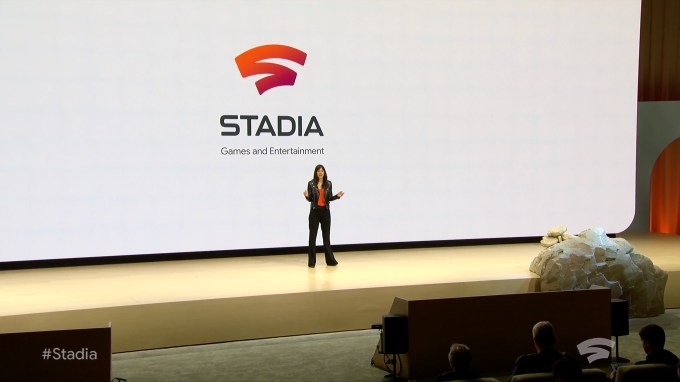
I’m a couple hours away from flying down to Los Angeles to check out the E3 gaming expo, but one of the biggest gaming announcements of the month already happened this past week when Google shared some more details on its Stadia cloud gaming platform.

Stadia’s approach is far from unprecedented, but Google’s solution might be one of the more thoughtful efforts we’ve seen. We got some more details this week, here’s my story, and here are the top-level details:

  • U.S. pricing for the pro-tier is $9.99 per month for unlimited 4K 60fps streaming and access to a library of titles, though you’ll still have to pay for most new games.
  • You’ll need a 35 mpbs connection to stream Stadia Pro when it launches in November.
  • There’s a 1080p free tier, launching later, that will allow gamers to play titles they buy from the Stadia store.

This is a pretty aggressive showing for Google.

Given the infrastructure costs, $9.99 is pretty cheap and adding a free tier is a bold call. Google’s strategy might be as formidable as they could make it, but that doesn’t mean that they’re going to win the cloud gaming market…
The first thing to acknowledge is that because of the incredibly stiff infrastructure/network demands of these plays, the only companies that can likely take on Google here are Amazon and Microsoft.

The AWS giant is already renting out some very expensive cloud GPUs but they haven’t made any indication of a foray into a gaming-focused subscription, though it may not be long if this market finds legs. Microsoft on the other hand is probably hours away from making its announcement. At 1pm PT Sunday, the company’s Xbox head is expected to share the company’s cloud-gaming plans, I’ll be there reporting on the news.

Google is acting plenty aggressive but Microsoft still has a huge upper hand. Becoming a gaming company is about far more than infrastructure and Google doesn’t have much history on its side when it comes to high-end gaming or… the games.

YouTube Gaming is probably Stadia’s best asset and integrations there can leverage that platform’s reach to encourage experimenting with the platform, but I still don’t trust the company to follow through with the resources to get enough developers to bring their titles to Stadia. The initial market that Stadia is grabbing for just feels so niche and Google hasn’t exactly been known to follow-through on consumer efforts that take longer than a few rounds of internal performance reviews to take off.

The Stadia team has already shown off a few games, but there are tens of millions of Xbox Ones out there filled with purchased titles and Google might just be probably overestimating the appeal of their cross-platform approach.

Google’s understated claim is that this is a limitless platform that can bring your desktop games to phones, tablets, laptops and TVs, but how many places do consumers really want desktop-class games? Can it truly claim to be a mobile-friendly platform when it only supports a few of its own phones at launch? More so, do people want to connect a game controller to their phone? It all seems like a fairly niche grab.

Google’s Stadia marketing seems to be looking to convert console users to ChromeCast users but given that YouTube Gaming is the company’s best discovery method, what’s likely going to end up happening is that Stadia drags in a very niche subset of aspiring PC gamers who don’t want to pay for high-end rigs. This will probably bring in some free Stadia Base 1080p users, but it’s going to be the latency — no matter how minimal Google can claim it to be — that shuts out a lot of PC die-hards from signing onto the Stadia Pro plan.

For single-player experiences, Stadia won’t have issues, but a lot of the top game publishers are focusing their full efforts on multi-player.

Google didn’t even touch on the topic of multi-player at it’s event, the fact is if developers enable cross-platform play with Stadia, those users are just going to be at a tactical disadvantage plain-and-simple. For a platform like Xbox One, Microsoft has enough existing reach that they can probably cordon off those streaming users into their own servers and keep the odds even, but Google may have some issues here fresh-out-the-gate.

There is still quite a bit we don’t know about Stadia, and I’m very anxious to see what Microsoft has up its sleeve, but Google just doesn’t feel like the right kind of company to pull this off… Let me know what your thoughts are though.

Send me feedback
on Twitter @lucasmtny or email
lucas@techcrunch.com

On to the rest of the week’s news.

Trends of the week

Here are a few big news items from big companies, with green links to all the sweet, sweet added context.

  • Apple’s hardware finally goes Pro
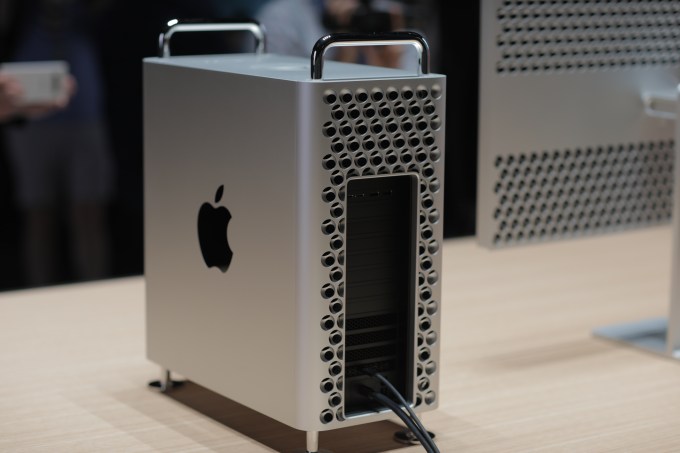
    You might have a MacBook Pro or an iPad Pro but chances are most of you aren’t much in the way of a professional. If you thought blowing $899 on a tablet made you a deep spender, try blowing $999 on the stand for your monitor. At its WWDC keynote this week, Apple went back to basics design-wise on its Mac Pro, but it cranked the pricing up to 11 with a $5,999 starting price for the tower and a $4,999 starting price for its 6K display. This falls in line with Apple’s latest trend towards pushing hardware prices higher, but, Jesus, this took things to a new level for Pros. Here’s our hands-on with the monster.
  • Looker catches Google’s eye
    $2.6 billion is a fair amount of cash but it’s pocket change in the war for the cloud. Google announced Thursday that it was acquiring analytics startup Looker to strengthen its Google Cloud offering in the face of competition from AWS and Azure. More here.
  • ZuckCoin
    Facebook is getting ready to show off its own cryptocurrency later this month. The coin, codenamed Libra, will be getting its own white paper on June 18th and will reportedly be pegged to a batch of current coins and will be managed by an external entity. Read more here.
  • Bezos takes over space
    Amazon CEO Jeff Bezos talked about his plans to create the infrastructure network for space startups at the company’s re:Mars conference. “You cannot start an interesting space company today from your dorm room. The price of admission is too high and the reason for that is that the infrastructure doesn’t exist,” Bezos noted. “So my mission with Blue Origin  is to help build that infrastructure, that heavy lifting infrastructure that future generations will be able to stand on top of the same way I stood on top of the U.S. Postal Service and so on.” Check our more of what he had to say in our story.

GAFA Gaffes

How did the top tech companies screw up this week? This clearly needs its own section, in order of awfulness:

  1. GAFA getting eyed by some three-letter agencies:
    [Apple, Alphabet, Amazon and Facebook are in the crosshairs of the FTC and DOJ ]
  2. YouTube pisses off gay creators:
    [YouTube says homophobic taunts don’t violate its policies]
  3. Google Play Store gets its antitrust moment-in-the-sun:
    [Aptoide, a Play Store rival, cries antitrust foul over Google hiding its app]
  4. Apple pricing gets egregious, earns keynote groans:
    [Meet Apple’s secret weapon for keeping Wall Street happy]
Extra Crunch

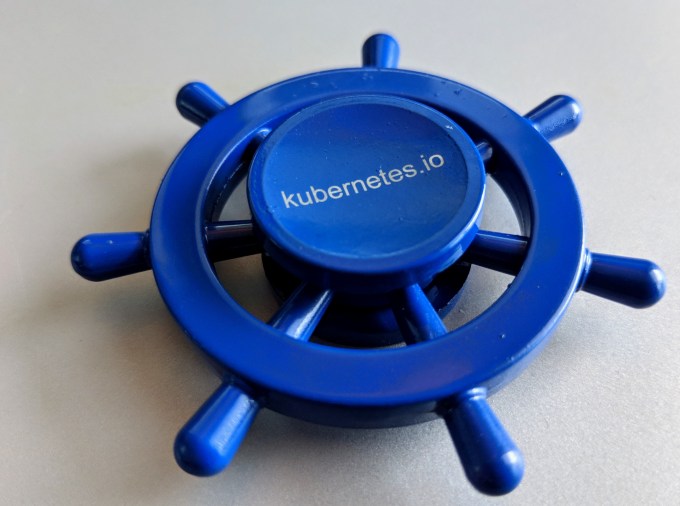
Our premium subscription service had another week of interesting deep dives. TechCrunch’s Frederic Lardinois wrote about the interesting rise of Kubernetes and chatted with some of the key players involved in its ascension.

How Kubernetes came to rule the world

“…To talk about how Kubernetes came to be, I sat down with Craig McLuckie, one of the co-founders of Kubernetes at Google (who then went on to his own startup, Heptio, which he sold to VMware);  Tim Hockin, another Googler who was an early member on the project and was also on Google’s  Borg team; and Gabe Monroy, who co-founded Deis, one of the first successful Kubernetes startups, and then sold it to Microsoft, where he is now the lead PM for Azure Container Compute (and often the public face of Microsoft’s  efforts in this area)..”

Here are some of our other top reads this week for premium subscribers. This week TechCrunch writers talked a bit about ROI, and how security startups are capturing M&A attention…

Want more TechCrunch newsletters? Sign up here.


from Amazon – TechCrunch https://techcrunch.com/2019/06/09/week-in-review-google-makes-a-losing-bet-bezos-details-his-space-plan/

Tuesday, May 14, 2019

Jeff Bezos personally dumps a truckload of dirt on FedEx’s future

Amazon want to be plenty of things, the most predictable of which is its ambitions to control America’s shipping backbone. The company’s efforts to bring users whatever they desire in 24 hours requires movements by land, air and sea.

Today, the company broke ground on expanding its airborne ambitions, breaking ground on a three million square-foot Prime Air airport outside Cincinnati (in Kentucky). In case the optics of three million square feet is lost on you, it’s essentially a parking garage for a 100 cargo jets. Amazon doesn’t even have that many jets yet, but the hub is a housing for the company’s grand logistics ambitions.

Per Bezos’ tweet, Amazon is investing $1.5 billion in this effort. The company says the hub will create 2,000 jobs.

Like most ground breaking events, it was a ceremonial affair with a lot of pomp and photo-ops. CEO Jeff Bezos himself made a surprise appearance, jumping into the driver’s seat of a front-end loader and dropping some dirt onto an already hefty pile.

The optics were also clear that Amazon is adding salt to the wound as it moves to take down the country’s logistics kings like FedEx and UPS.

Even as Amazon looks to add new regional Prime Air hubs in Texas and Ohio this year, it’s clear the tech giant still has a lot of ground to make up. Amazon has a few dozen planes flying several hundred flights per week while UPS and Fedex have hundreds of planes flying thousands of flights.

One thing that’s certain, Amazon is encroaching on the core businesses of FedEx and UPS while it doesn’t quite seem like Amazon is in any danger of the opposite coming true.


from Amazon – TechCrunch https://techcrunch.com/2019/05/14/jeff-bezos-personally-dumps-a-truckload-of-dirt-on-fedexs-future/

Tuesday, April 30, 2019

Week-in-Review: Tesla’s losses and Elon Musk’s new promises

What a complicated week for Tesla.

The electric car-maker announced this week that it had lost more than $700 million in the first quarter of 2019, an unpleasant surprise for investors that came during its quarterly earnings report.

But that was just like the 3rd or 4th most interesting piece of Tesla news that took place this week. CEO Elon Musk also avoided writing another check to the SEC for his tweeting habit and Tesla showcased some of its self-driving dreams at an event devoted to autonomy.

Let’s check the news hits out one-at-a-time:

  • First, let’s talk Tesla money. On its Q1 earnings call, Tesla CFO Zachary Kirkhorn called it “one of the most complicated quarters.” Investors were already expecting a loss, but a bunch variety of factors led to the $702 million loss which came after two quarters of profitability. Musk had already said that deliveries were lower-than-expected, they ended up shipping 63,000 cars, a nearly one-third drop from the previous quarter. Add that to the partial expiration of the federal electric vehicle tax rebate and there are some answers but still some lingering questions.
  • Next, the company laid out some big promises for its self-driving future, but none was more intriguing than Elon Musk announcing that Tesla was planning to launch a robotaxi network in 2020, though the CEO was strong on the caveats that local laws would pretty much guide how such a service was rolled out.

  • The company’s Autonomy Day wasn’t just about plans to trounce the soon-to-be-public Uber on its own ride-sharing turf, the company also dove into the hardware, specifically its new “full self-driving” computer that has already started shipping in new Model 3, S and X models. If you look — not very closely — you’ll see that it’s actually two independent computers designed around redundancy so that there’s less room for a glitch to leave drivers in danger.
  • Finally, on Friday we learned that Musk and the SEC had reached a deal that let him keep his cash and his Twitter account and avoid being held in contempt of the initial deal. The agreement reach gave Musk a list of topics (list here) that he needs to get pre-approval from Tesla in order to tweet about, a solution that’s probably good for everyone especially the Tesla officials who likely didn’t want to babysit Elon tweeting about anime.

Shoot me tips or feedback
on Twitter @lucasmtny or email
lucas@techcrunch.com

Trends of the week

Here are a few big news items from big companies, with green links to all the sweet, sweet added context.

Special guest

I’m not the first to go wild about enterprise IT, but Box CEO Aaron Levie just published a guest post on TechCrunch about how the world of corporate software has gotten a lot more exciting over the past decade. Check it out.

A new era for enterprise IT

“…We’ve reached a new era of enterprise software and companies are coming around to this model in droves. What seemed unfathomable merely a decade ago is now becoming commonplace…”

Photo by Paul Marotta/Getty Images

GAFA Gaffes

How did the top tech companies screw-up this week? This clearly needs its own section, in order of awfulness:

  1. Facebook gets drilled 3X. Kind of cheating since it’s a list, but I’m all about efficiency:
    [Facebook hit with three privacy investigations in a single day]
  2. Facebook preps for an upcoming major privacy failure fine:
    [Facebook reserves $3B for future FTC fine]

Extra Crunch

Our premium subscription service continues to churn out some awesome long-reads as a channel for our staff’s niche obsessions. We had a great piece this week on the difficulties associated with determining Huawei’s company ownership, especially when that owner might just be the Chinese Communist party.

Why it’s so hard to know who owns Huawei

“…despite selling 59 million smartphones and netting $27 billion in revenue last quarter in its first-ever public earnings report this morning, a strange and tantalizing question shrouds the world’s number two handset manufacturer behind Samsung. Who owns Huawei?”

Here are some of our other top reads this week for premium subscribers — our staff seemed to write a lot about pitching stories this week…

Want more TechCrunch newsletters? Sign up here.


from Amazon – TechCrunch https://techcrunch.com/2019/04/28/week-in-review-teslas-losses-and-elon-musks-new-promises/