Wednesday, September 25, 2019

India’s Darwinbox raises $15M to bring its HR tech platform to more Asian markets

An Indian SaaS startup, which is increasingly courting clients from outside of the country, just raised a significant amount of capital to expand its business.

Hyderabad-based Darwinbox, which operates a cloud-based human resource management platform, said on Thursday it has raised $15 million in a new financing round. The Series B round — which moves the firm’s total raise to $19.7 million — was led by Sequoia India and saw participation from existing investors Lightspeed India Partners, Endiya Partners, and 3one4 Capital.

More than 200 firms including giants such as adtech firm InMobi, fintech startup Paytm, drink conglomerate Bisleri, automobile maker Mahindra, Kotak group, and delivery firms Swiggy and Milkbasket use Darwinbox’s HR platform to serve half a million of their employees in 50 nations, Rohit Chennamaneni, cofounder of Darwinbox, told TechCrunch in an interview.

The startup, which competes with giants such as SAP and Oracle, said its platform enables high level of configurability, ease of use, and understands the needs of modern employees. “The employees today who have grown accustomed to using consumer-focused services such as Uber and Amazon are left disappointed in their experience with their own firm’s HR offerings,” said Gowthami Kanumuru, VP Marketing at Darwinbox, in an interview.

Darwinbox’s HR platform offers a range of features including the ability for firms to offer their employees insurance and early salary as loans. Its platform also features social networks for employees within a company to connect and talk, as well as an AI assistant that allows them to apply for a leave or set up meetings with quick voice commands from their phone.

“The AI system is not just looking for certain keywords. If an employee tells the system he or she is not feeling well today, it automatically applies a leave for them,” she said.

Darwinbox’s platform is built to handle onboarding new employees, keeping a tab on their performance, monitor attrition rate, and maintain an ongoing feedback loop. Or as Kanumuru puts it, the entire “hiring to retiring” cycle.

One of Darwinbox’s clients is L&T, which is tasked with setting up subways in many Indian cities. L&T is using Darwin’s geo-fencing feature to log the attendance of employees. “They are not using biometric punch machine that is typically used by other firms. Instead, they just require their 1,200 employees to check-in from the workplace using their phones,” said Kanumuru.

darwinbox event

Additionally, Darwinbox is largely focusing on serving companies based in Asia as it believes Western companies’ solutions are not a great fit for people here, said Kanumuru. The startup began courting clients in Southeast Asian markets last year.

“Our growth is a huge validation for our vision,” she said. “Within six months of operations, we had the delivery giant Delhivery with over 23,000 employees use our platform.”

In a statement to TechCrunch, Dev Khare, a partner at Lightspeed Venture, said, “there is a new trend of SaaS companies targeting the India/SE Asia markets. This trend is gathering steam and is disproving the conventional wisdom that Asia-focused SaaS companies cannot get to be big companies. We firmly believe that Asia-focused SaaS companies can get to large impact value and become large and profitable. Darwinbox is one of these companies.”

Darwinbox’s Chennamaneni said the startup will use the fresh capital to expand its footprints in Indonesia, Malaysia, Thailand, and other Southeast Asian markets. Darwinbox will also expand its product offerings to address more of employees’ needs. The startup is also looking to make its platform enable tasks such as booking of flights and hotels.

Chennamaneni, an alum of Google and McKinsey, said Darwinbox aims to double the number of clients it has in the next six to nine months.


from Amazon – TechCrunch https://techcrunch.com/2019/09/25/india-darwinbox-raises-15m-to-bring-hr-tech-platform-to-more-asian-markets/

Bodega, once dubbed ‘America’s most hated startup,’ has quietly raised millions

2What’s in a name?

More than two years ago, Fast Company published a story with the headline “Two Ex-Googlers Want To Make Bodegas And Mom-And-Pop Corner Stores Obsolete.” The focus of the story was a nascent startup by the name of Bodega.

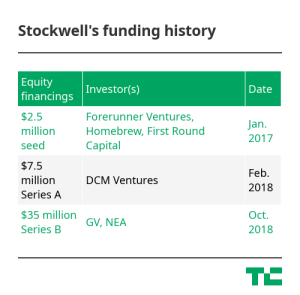
The company had raised $2.5 million in funding from First Round Capital’s Josh Kopelman, Forerunner Ventures’ Kirsten Green and Homebrew’s Hunter Walk. To announce their funding and vision to create the unmanned store of the future, Bodega briefed a number of journalists on its big idea. Given the simplicity of its product — a tech-enabled vending machine, in essence — the team was blindsided by the uproarious response that followed. September 13, 2017 was supposed to be the most exciting day in the startup’s history, at least until that point; instead, it was a nightmarish lesson in poor branding and messaging.

Why do tech wizards keep thinking of new and more horrible ways to avoid dealing with people? -CityLab, September 13, 2017

The press storm and public lambasting catapulted Bodega into the limelight — for all the wrong reasons. Overnight, the company went from just another early-stage commerce business to the symbol of everything that is wrong with Silicon Valley. Many wondered if it would fall victim to criticism and crumble like Juicero, a well-financed startup that sold a $400 juicer — that is, until a Bloomberg story proved its juice packets could be squeezed by hand, no machine necessary. Or would it take the public condemnation in stride, hearing out the critics and amending its brand as necessary?

Two years after its ill-fated launch, the latter seems to be true. Today, the three-year-old Oakland-based company — now known as Stockwell — is said to be growing quickly thanks to more than $45 million in venture capital funding from a number of deep-pocketed investors, the company has confirmed to TechCrunch.
Bodega

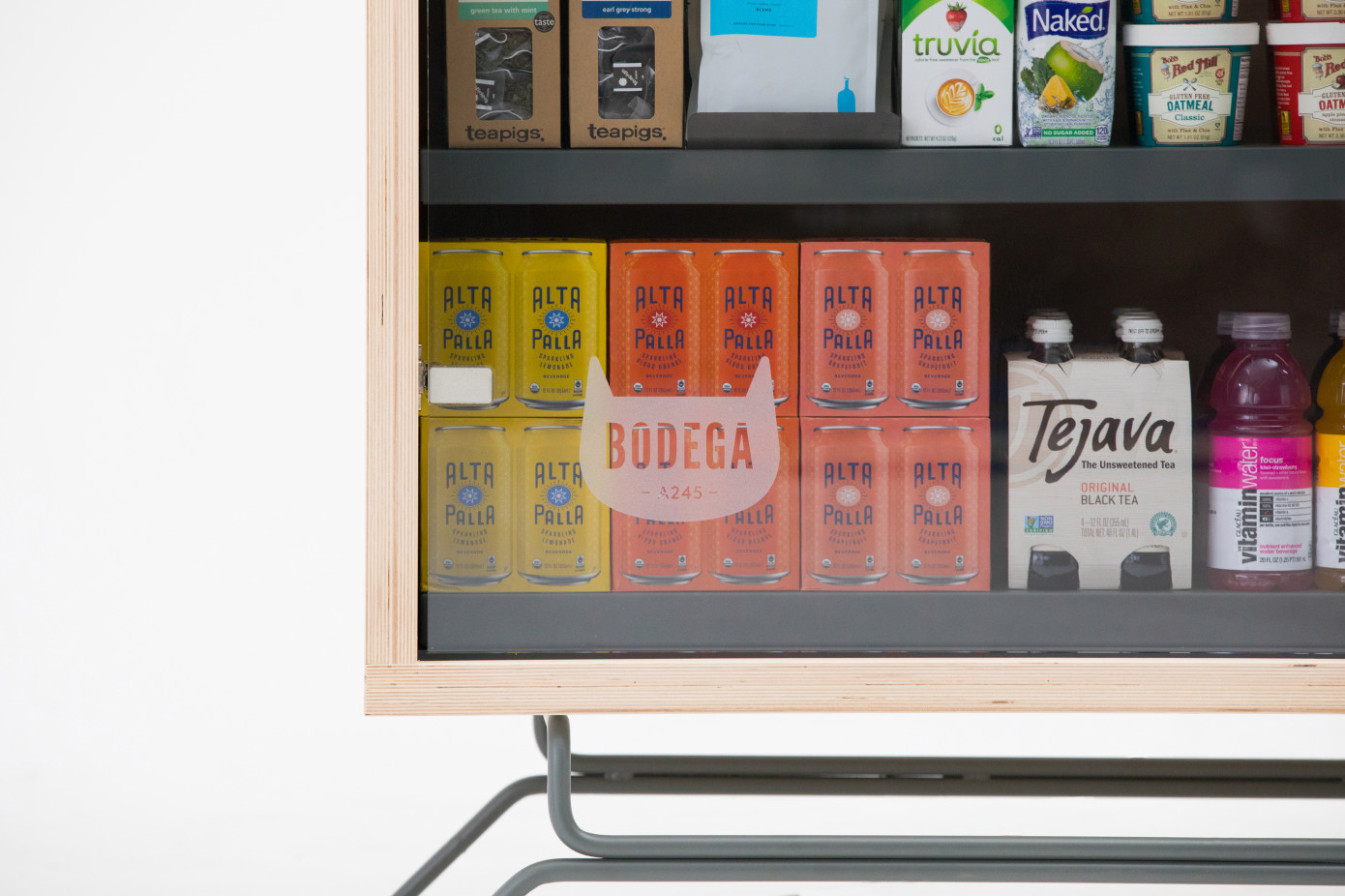
Bodega’s original branding included a cat logo. Cats are often features of small neighborhood stores, known as bodegas.

Public outcry

Bodega is either the worst named startup of the year, or the most devious,” wrote The Verge in the fall of 2017. “Tech firm markets glorified vending machines where users can buy groceries,” said The Guardian. The Washington Post dubbed the company “America’s most hated start-up.” CityLab, which writes about issues impacting cities, bluntly reported “Bodega, a Startup for Disrupting Bodegas, Is Terrible,” followed by 30 reasons why the startup sucks: “Maybe a Bodega can stock Soylent to appeal to people who also think that eating delicious food is a grim burden,” CityLab wrote. “Why do tech wizards keep thinking of new and more horrible ways to avoid dealing with people? How come they hate being human?”

It’s safe to say Bodega endured one of the most catastrophic company launches in the history of tech startups. But the press cycle surrounding Bodega was more than an attack on the startup alone. It represented a greater frustration with Silicon Valley culture and its reputation for funding “disruptive” products devoid of impact. Time and time again, VCs had proven their willingness to inject millions into standard concepts lacking originality. A juicer had raised more than $100 million, after all, scooters were beginning to attract private capital and Soylent, which sells a meal replacement drink fit for techies, was hot off the heels of a $50 million round.

A mini-fridge equipped with computer vision technology boasting a culturally insensitive name wasn’t going to change the world. Questioning why it had the support of VCs was only fair.

An innocent misunderstanding?

Behind the upsetting name was a business developing hundreds of five-foot-wide pantry boxes to be housed in luxury apartment lobbies, offices, college campuses, gyms and more. Similar to Amazon Go, the “smart stores” recognize what customers remove from the cases using computer vision and automatically charge the credit card associated with the account.

When you’re not in the room, the name of your company is what gets passed between people. -James Currier, NFX.

Bodega was founded by a pair of Google veterans, Paul McDonald and Ashwath Rajan. It had all the ingredients for a successful startup stew. Founders with years of experience in big tech: McDonald spent more than a decade at Google; Rajan had just finished up the search engine’s competitive associate product manager program. Both attended top universities: University of California-Berkeley and Columbia University, respectively. Still, neither of the two men nor their investors seemed to have predicted the controversy afoot.

“Bodega doesn’t want to disrupt the bodega,” Hunter Walk, a Bodega investor and co-founder of the seed fund Homebrew, wrote in a 2017 blog post. “Some instances of today’s press coverage suggested that element, a sound bite which, exacerbated by Bodega’s naming, pissed people off as another example of tech startups being at best tone-deaf, and at worst, predatory … It didn’t occur to me that some people would see the word and associate its use in this context with whitewashing or cultural appropriation.”

The company, too, quickly authored a blog post outlining their thought process behind the name: “Rather than disrespect to traditional corner stores — or worse yet, a threat — we intended only admiration,” McDonald wrote.

After penning blog posts, the founders continued working on the company under the provocative and upsetting name. Meanwhile, investors seemed unfazed by the negative press, evidenced by the company’s ability to continue raising venture capital funding. After all, many of the best businesses endure the wrath of bloggers, competing founders and the general public. As for VCs, high-risk bets are just part of the ball game.

DCM Ventures, a U.S.-based venture capital fund with offices in Beijing, Tokyo and Silicon Valley, was the first to agree to invest in Bodega following the PR disaster. The firm, an investor in Lime, Hims and SoFi, led a $7.5 million Series A financing in the business in early 2018, the company confirmed. DCM co-founder and general partner David Chao joined the company’s board following the deal. DCM vice president David Cheng is also actively involved with the company, according to his bio.

Finally, after pocketing nearly $10 million in total funding, Bodega announced a name change: “Did you buy something today from a Bodega?” Bodega’s McDonald wrote. “You may have noticed that we’ve changed our name to Stockwell. Our new name is one of the changes we’re making as we expand our offerings and open more stores around the country.”
Stockwell Founders

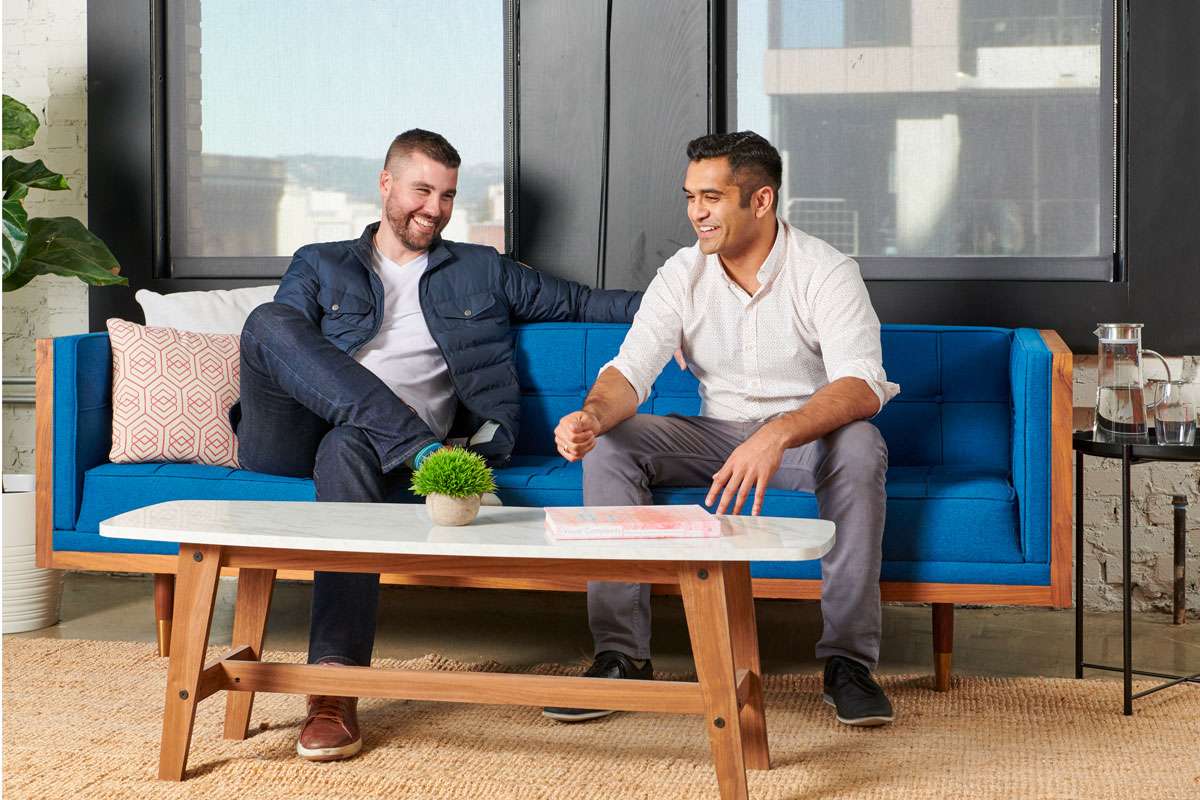
Stockwell, fka Bodega, founders Paul McDonald (left) and Ashwath Rajan (Courtesy of Stockwell).

A new era

With a new logo and a toned-down, somewhat bland identity, Stockwell had a fresh start and, soon, more attention from top VCs. In late 2018, the company raised a $35 million round of funding co-led by Uber and Slack-backer GV, formerly known as Google Ventures, and NEA, an investor known for bets in Coursera, MasterClass and OpenDoor, Stockwell has confirmed. NEA’s Amit Mukherjee and GV’s John Lyman joined Stockwell’s board as part of the deal, which is said to have valued the business at north of $100 million. Stockwell, however, declined to confirm the figure.
Stockwell's funding history

Instead of announcing the news via TechCrunch, Venture Beat, Forbes or another tech publication, as is the norm for fast-growing consumer-facing startups, Stockwell remained mum on financing events and scaling plans, assumedly burned by the press and the public’s scorn a year prior.

Rather than subject itself to continued scrutiny as it attempted to rewrite its narrative, Stockwell was heads down, iterating, expanding and quietly raising millions. Bad press can break a startup, and given the sheer number of negative reports on Stockwell so early on, the company had already defied the odds. Keeping a low profile was undoubtedly the best strategy moving forward, and it seems to have paid off.

“It was a difficult time and transition and we learned a lot from it,” a spokesperson for Stockwell said in an email to TechCrunch. “As a company, we put our heads down and focused on building our business. We kept a low profile and concentrated on our core product, the mission, and the people who work for us. We’re excited for the progress we’ve made but won’t forget the path that got us here.”

Today the company counts 1,000 “stores” in the San Francisco Bay Area, Los Angeles, Houston and Chicago. Stockwell has used its latest infusion of funding to explore shared ownership models, i.e. the opportunity for anyone to run their own Stockwell store. The company tells TechCrunch they are also working on building out their “unique curation model,” which allows customers to help determine what items are stocked in their local “store,” as well as their support for emerging brands, whose products they can stock in their next-generation vending machines.
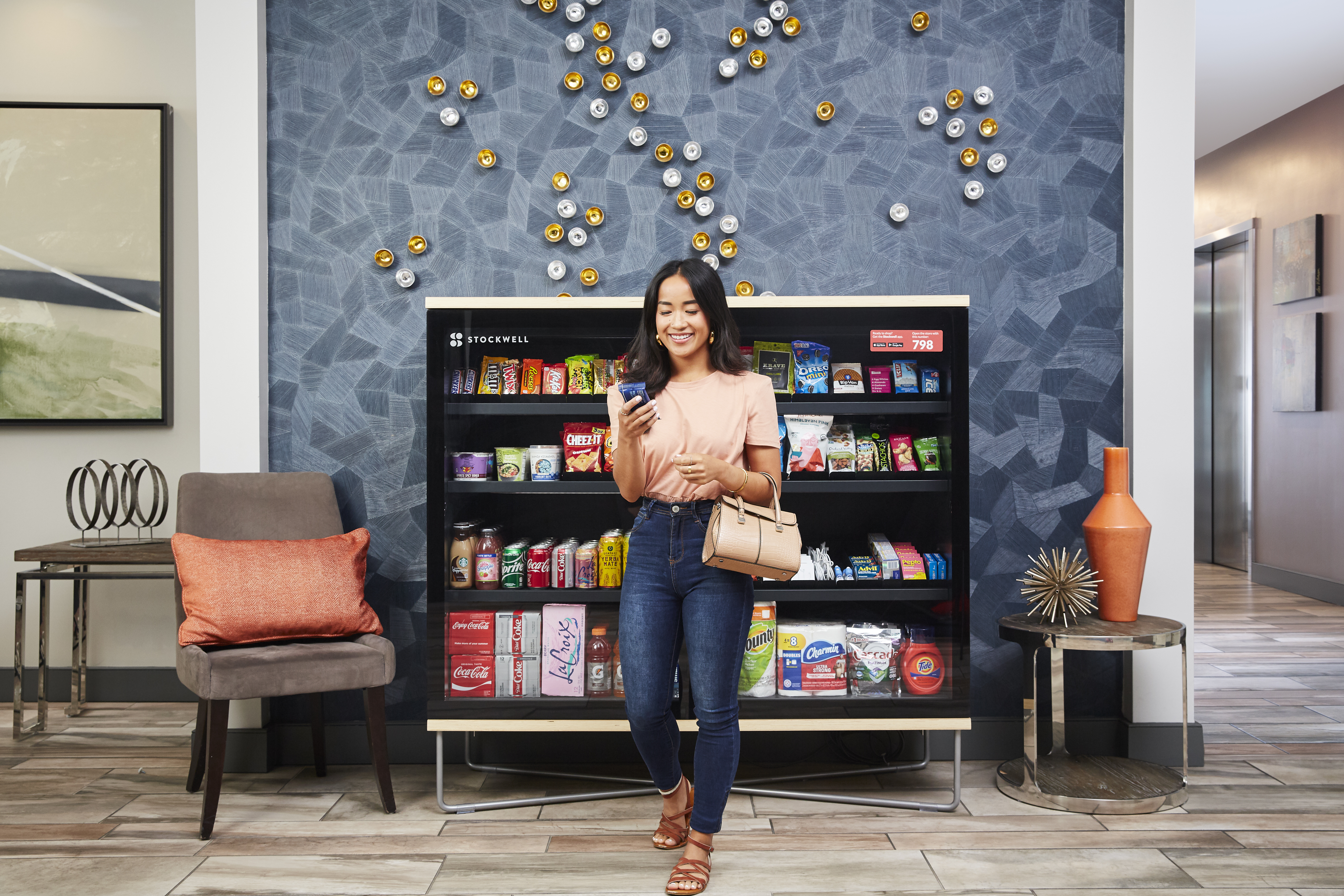
Stockwell

Stockwell’s five-foot wide next-generation vending machine.

So what’s in a name?

Human beings make snap judgments, evaluate products quickly and can develop distaste for brands in a matter of seconds. A company’s moniker is their first opportunity to impress customers.

“When you’re not in the room, the name of your company is what gets passed between people,” writes NFX co-founder James Currier. “It speaks for you when you’re not there … It sets expectations of your company in the blink of an eye. And first impressions are hard to change. Both positive and negative.”

Most cases of poor startup naming are easily fixed. Most founders aren’t forced to bear the brunt of the internet’s fury. The case of Bodega is much more extreme and, as such, serves as the ultimate lesson for founders searching for the best way to tell their story. At the end of the day, avoiding a complete and total train-wreck is easy if you include a diverse group of people in the naming process and remember there’s a lot in a name — if that weren’t the case, Bodega would still be Bodega.


from Amazon – TechCrunch https://techcrunch.com/2019/09/25/bodega-once-dubbed-americas-most-hated-startup-has-quietly-raised-millions/
Is Amazon’s Alexa ready to leave home and become a wearable voice assistant?

Amazon’s device event today played host to a dizzying number of product announcements, of all stripes – but notably, there are three brand new ways to wear Alexa on your body. Amazon clearly wants to give you plenty of options to take Alexa with you when you leave the house, the only place it’s really held sway so far – but can Amazon actually convince people that it’s the voice interface for everywhere, and not just for home?

Among the products Amazon announced at its Seattle event, Echo Frames, Echo Loop and Echo Buds all provide ways to take Alexa with you wherever you go. What’s super interesting – and telling – about this is that Amazon went with three different vectors to try to convince people to wear Alexa, instead of focusing its efforts on just one. That indicates a stronger than ever desire to break Alexa out of its home environment.

alexa echo amazon 9250082

The company has tried to get this done in different ways before. Alexa has appeared in Bluetooth speakers and headphones, in some cars (including now GM, as of today) and via Amazon’s own car accessory – and though the timing didn’t line up, it would’ve been a lock for Amazon’s failed Fire Phone.

Notice that none of these existing examples have helped Amazon gain any apparent significant market share when it comes to Alexa use on the go. While we don’t have great stats on how well-adopted Alexa is in car, for instance, it stands to reason that we’d be hearing a lot more about its success if it was indeed massively successful – in the same way we hear often about Alexa’s prevalence in the home.

Amazon lacks a key vector that other voice assistants got for free: Being the default option on a smartphone. Google Assistant manages this through both Google’s own, and third-party Android phones. Apple’s Siri isn’t often celebrated for its skill and performance, but there’s no question that it benefits from just being the only really viable option on iOS when it comes to voice assistant software.

Amazon had to effectively invent a product category to get Alexa any traction at all – the Echo basically created the smart speaker category, at least in terms of significant mass market uptake. Its success with its existing Echo devices proves that this category served a market need, and Amazon has reaped significant reward as a result.

But for Amazon, a virtual assistant that only operates in the confines of the home covers only a tiny part of the picture when it comes to building more intelligent and nuanced customer profiles, which is the whole point of the endeavour to begin with.  While Americans seem to be spending more time at home than ever before, a big percentage of peoples’ days is still spent outside, and this is largely invisible to Alexa.

The thing is, the only reliable and proven way to ensure you’re with someone throughout their entire day is to be on their smartphone. Alexa is, via Amazon’s own app, but that’s a far cry from being a native feature of the device, and just a single tap or voice command away. Amazon’s own smartphone ambitions deflated pretty quickly, so now it’s casting around for alternatives – and Loop, Frames and Buds all represent its most aggressive attempts yet.

alexa echo amazon 9250074

A smart spread of bets, each with their own smaller pool of penetration among users vs. a general staple like a smartphone, might be Amazon’s best way to actually drive adoption – especially if they’re not concerned with the overall economics of the individual hardware businesses attached to each.

The big question will be whether A) these products can either offer enough value on their own to justify their continued use while Alexa catches up to out-of-home use cases from a software perspective, or B) Amazon’s Alexa team can interate the assistant’s feature set quick enough to make it as useful on the go as it is at home, which hasn’t seemed like something it’s been able to do to date (not having direct access to smartphone functions like texting and calling is probably a big part of that).

Specifically for these new products, I’d put the Buds at the top of the list as the most likely to make Alexa a boon companion for a much greater number of people. The buds themselves offer a very compelling price point for their feature set, and Alexa coming along for the ride is likely just bonus for a large percent of their addressable market. Both the Frames and the Loop seem a lot more experimental, but Amazon’s limited release go-to-market strategy suggest its planned for that as well.

In the end, these products are interesting and highly indicative of Amazon’s direction and ambition with Alexa overall, but I don’t think this is the watershed moment for the digital assistant beyond the home. Still, it’s probably among the most interesting spaces in tech to watch, because of how much is at stake for both winners and losers.


from Amazon – TechCrunch https://techcrunch.com/2019/09/25/is-amazons-alexa-ready-to-leave-home-and-become-a-wearable-voice-assistant/

Your guide to WeWork’s CEO shuffle

Hello and welcome back to Equity, TechCrunch’s venture capital-focused podcast, where we unpack the numbers behind the headlines.

This week Kate and Alex were back at TechCrunch’s San Francisco HQ to huddle over the weeks’ biggest news story: WeWork’s infamous CEO exiting his role. Adam Neumann is now merely the non-executive chairman of The We Company, a firm that he helped found and led the public story for over the last half-decade.

His exit comes after a number of revelations made his tenure at the highly-valued WeWork appear chaotic and self-dealing. After WeWork’s valuation tumbled as it raced towards a financially-critical IPO, something had to give. The firm tried to ameliorate investors with changes (read: improvements) to its corporate governance but that wasn’t enough. Snakes don’t rot from the tail, and WeWork needed new leadership, which it got the form of co-CEOs.

WeWork is now led by Sebastian Gunningham and Artie Minson, seasoned executives with stints at Amazon and Time Warner Cable, respectively. They’ve been charged with leading the company into an era of maturity, cost-cutting and maybe even profitability! But probably not. Anyway, we think there are a whole lot of parallels to draw between Uber and WeWork, as we’ve made clear in the past.

Kate and Alex also touched on corporate governance, especially regarding super-voting stock. The TL;DR: private company boards look and operate much differently than public company boards. More often than not, startup boards are made up of venture capitalists focused on protecting their equity and future returns. It’s a dog-eat-dog world, folks.

Wapping, it seems likely that WeWork will look to secure new cash in the short-term as it buttons up its business, divests or kills off non-performing assets (remember this?), and looks to temper both its growth-rate and losses. If that will be enough to allow the company to float in 2020 (2019 seems unlikely) isn’t clear.

Icarus.

We’re back Friday morning with our regular episode and a guest. Stay tuned!

Equity drops every Friday at 6:00 am PT, so subscribe to us on Apple PodcastsOvercastSpotify, and all the casts.


from Amazon – TechCrunch https://techcrunch.com/2019/09/25/your-guide-to-weworks-ceo-shuffle/

Amazon wants to put microphones into your rings and glasses

At the end of its hardware event today, Amazon announced a new program for testing and selling its own experimental, limited-volume hardware: Day 1 Editions.

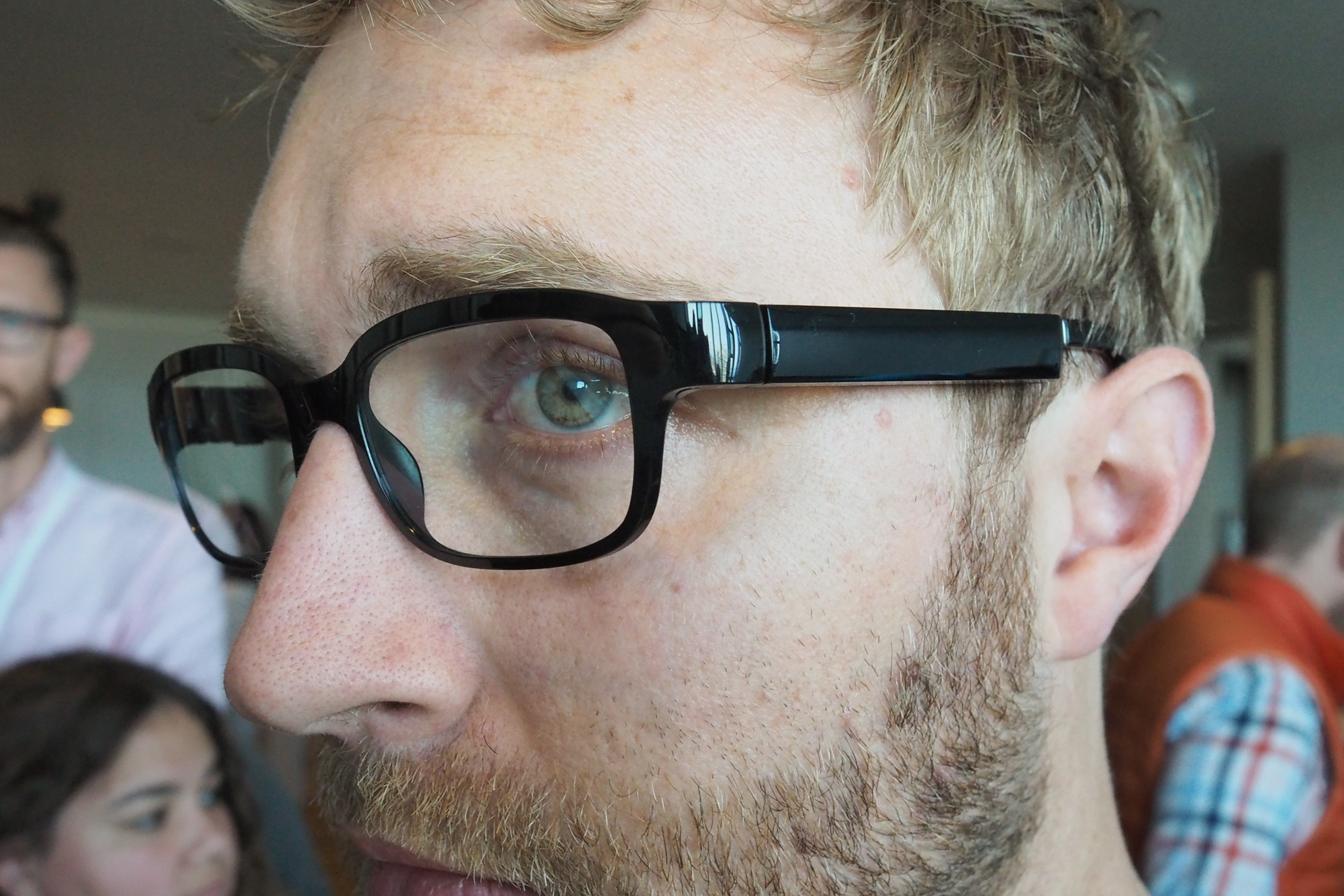
The first of these new products is Echo Frames. These are Alexa-enabled glasses, though unlike Google Glass, there’s no camera and no display, just microphones and a speaker.

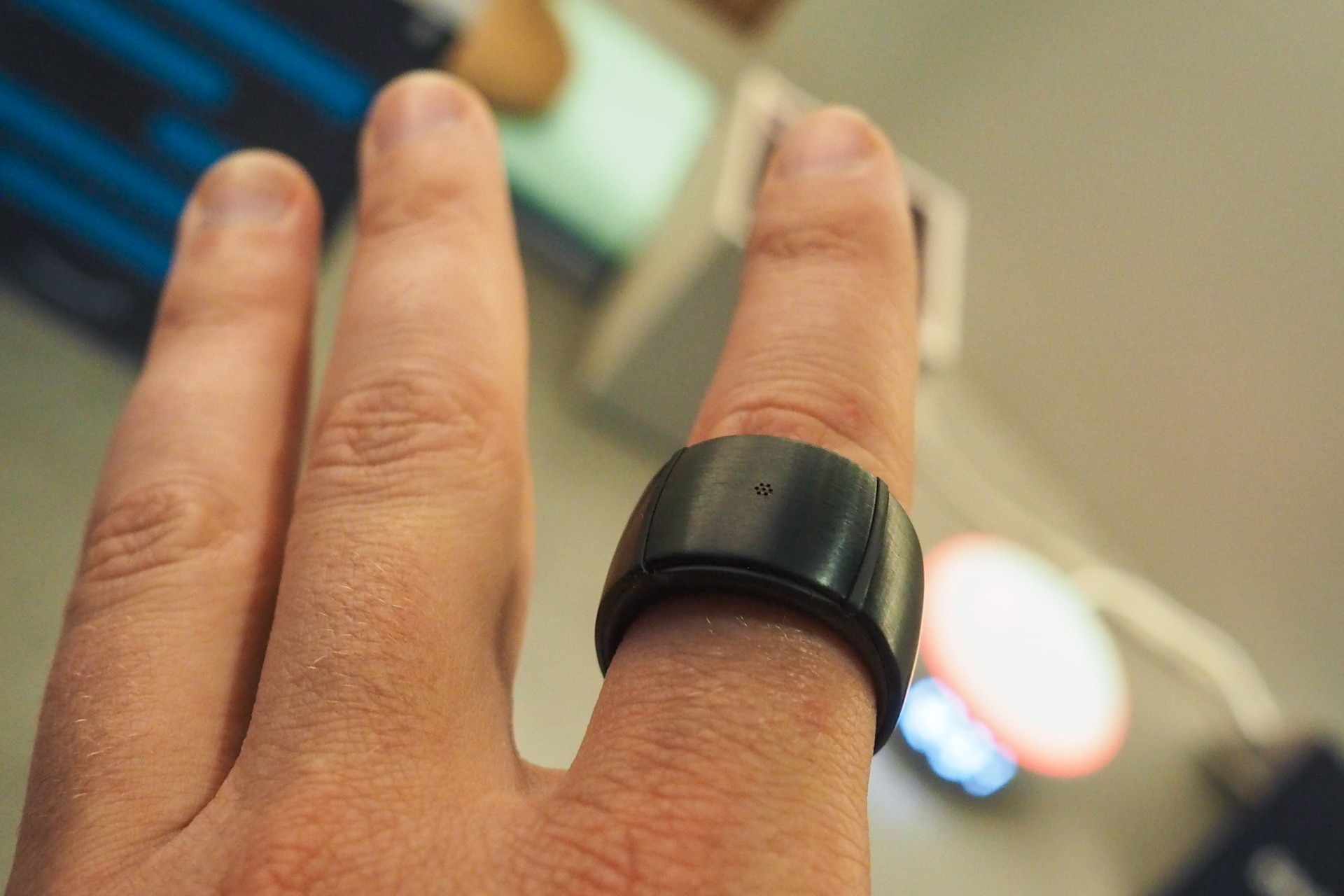
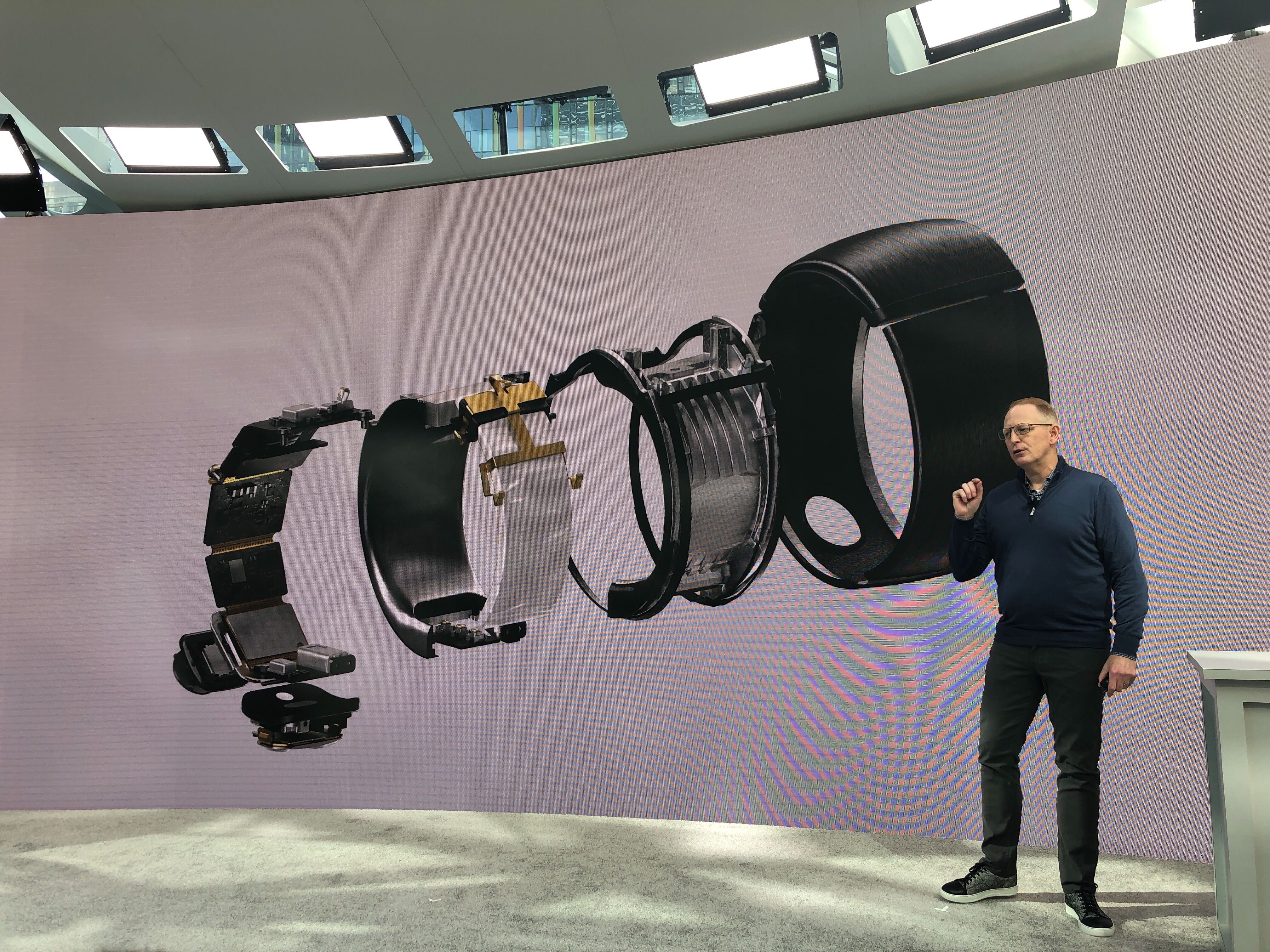
The second is the Echo Loop, a rather large Alexa-enabled ring with two built-in microphones and, of course, a tiny speaker. Both of these will be available on an invite-only basis and in limited volumes later this year.

The frames will retail for $179.99 and the Loop will be $99.99.

download 2

The glasses, which will sell without any prescription lenses (though you can add those if you want), weigh in at 31 grams. They aren’t especially stylish, though they look pretty acceptable.

The ring is maybe the oddest product Amazon demoed at its event today. It’s pretty large and I can’t quite see people talking into their rings and then listening to what Alexa has to say in response, but I could be wrong. Maybe it’s the next big thing.

“Paired with your phone, this ring lets you access information throughout the day,” Amazon writes. “It’s super easy to connect with Alexa without breaking stride or digging out your phone, for those simple things like turning on the lights or calculating the tip on your lunch bill. Simply press a button, talk softly to Alexa, and then the answer comes discretely through a small speaker built into the ring.”

To be fair, though, these are very much experimental products that are meant to allow Amazon to get feedback from real customers. But that’s what Amazon said about its Alexa-enabled microwave, too, and now it’s the best-selling fridge on the site.

Image from iOS 5 1


from Amazon – TechCrunch https://techcrunch.com/2019/09/25/amazon-wants-to-put-microphones-into-your-rings-and-glasses/

Amazon Sidewalk is a new long-range wireless network for your stuff

At its annual hardware event in Seattle, Amazon today announced Sidewalk, a new low-bandwidth, long-distance wireless protocol the company is developing to connect all of the IoT devices in and around your house.

Amazon argues that Bluetooth and WiFi don’t have enough range, while 5F takes too much power and is too complex.

“We came up with something that we call Amazon Sidewalk,” Amazon’s device chief Dave Limp said at the event today. “Amazon Sidewalk is a brand new low bandwidth network that uses the already existing free over the air 900 megahertz spectrum. We think it will be great for keeping track of things, keeping things up to date — but first and foremost, it will extend in the distance at which you can control these kinds of simple, low-cost, easy-to-use devices.

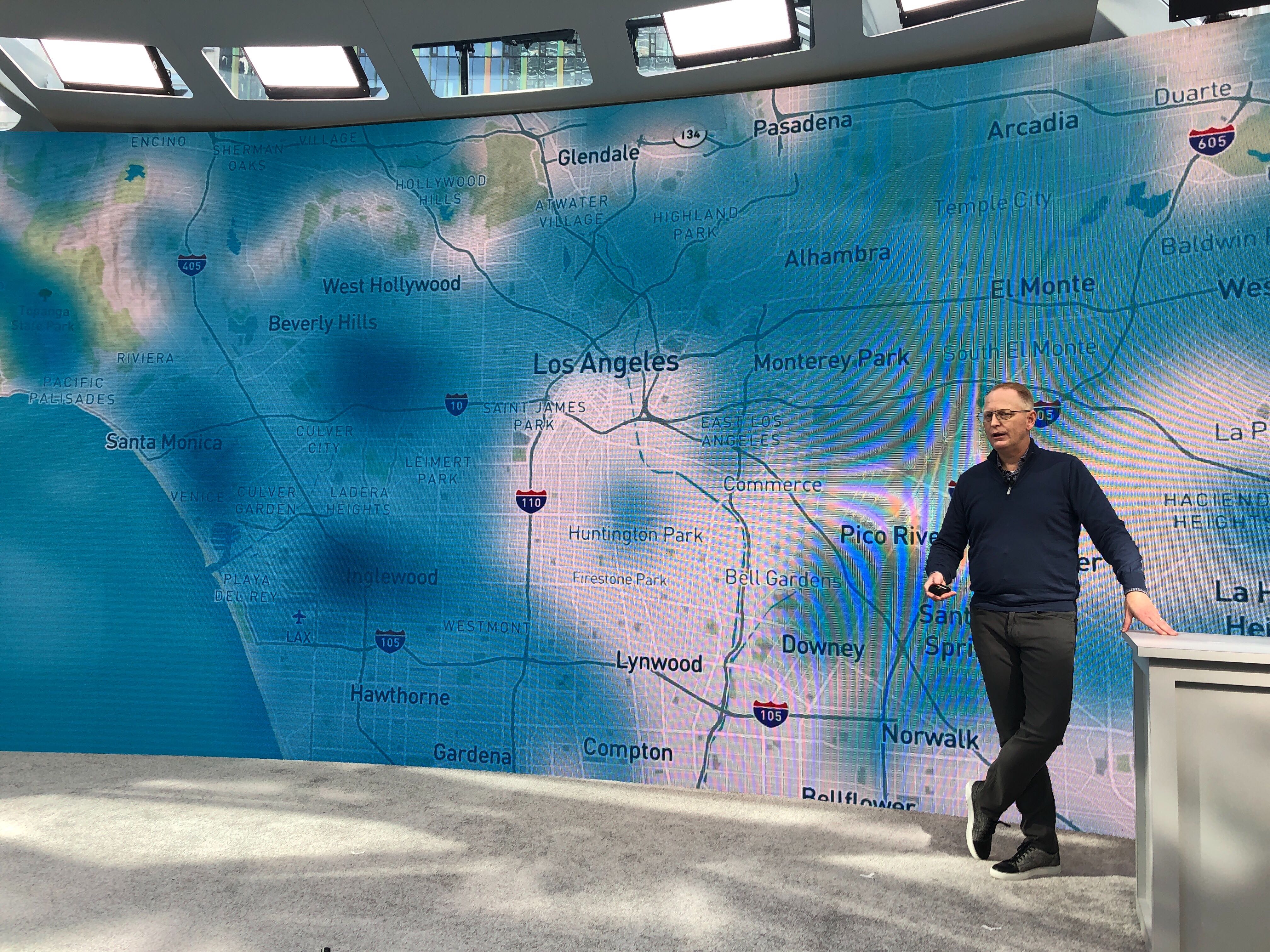
The details here remain a bit vague, but Amazon says that you may be able to use Sidewalk to connect to devices that can be up to a mile away, depending on how the base station and devices are positioned.

Image from iOS 3 1

Amazon already sent out 700 test devices to households in L.A. to test the access points — and once you have a lot of access points, you create a network with some pretty broad coverage.

Amazon says it’ll publish the protocol so that other device makers can also integrate it into their devices.

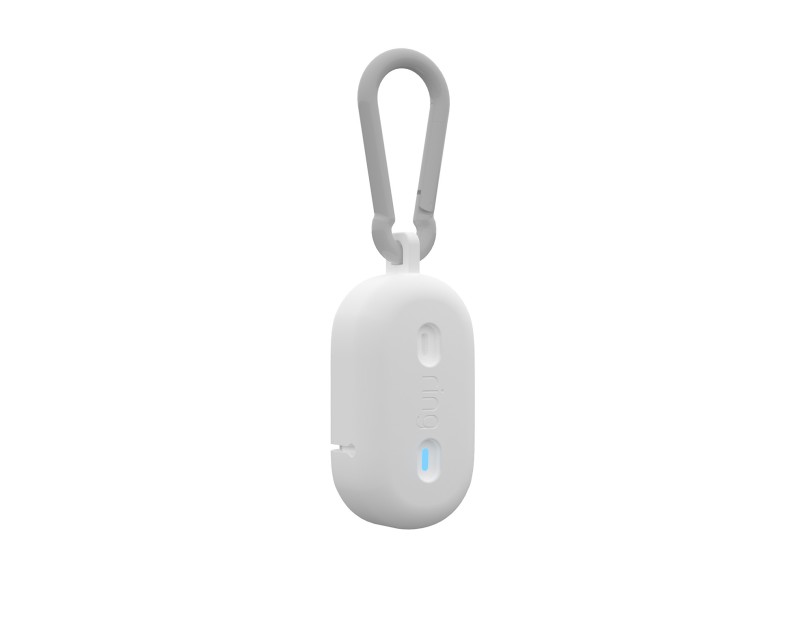
The first product that uses Sidewalk? A dog tag, so that you’ll hopefully see fewer lost dogs on your local Nextdoor in the near future because if your dog now leaves the perimeter, you’ll get an alert. This new tag, the Ring Fetch, will launch next year.

download


from Amazon – TechCrunch https://techcrunch.com/2019/09/25/amazon-sidewalk-is-a-new-long-range-wireless-network-for-your-stuff/

Amazon’s Echo Buds bring Alexa to your earholes

Amazon had a lot of surprises at this morning’s big event in Seattle. This one, however, we saw coming from a mile away. Echo Buds are the company’s attempt to compete with the likes of AirPods by bringing its smart assistant directly to wearers’ ears.

Priced at $129, the wireless earbuds are relatively inexpensive as far as brand names go. We can’t really speak to quality right now, but Amazon has teamed up with Bose for these to bring active noise cancelation. That’s accessible with a tap, similar to what Sony introduced with its own earbuds.

The product is clearly designed to help Alexa grow outside of the home, a market the company hasn’t captured as well as native mobile assistants like Siri and Google Assistant. That said, Amazon is also giving users the ability to access those assistants native to the user’s mobile phone.

As with the rest of the products announced at the event, Echo Buds are available for preorder starting today.


from Amazon – TechCrunch https://techcrunch.com/2019/09/25/amazons-echo-buds-bring-alexa-to-your-earholes/